A Practical Guide to Cashmere Care: Keeping Luxury Fabrics Soft and Lasting
A Time magazine–styled exploration of caring for cashmere and other luxury fibers, with myth-busting tips, careful washing practices, storage guidance, and insights from notable figures across centuries who shaped our understanding of textiles.
Cashmere has long occupied a rarefied space in the world of textiles—a fiber celebrated for its softness, warmth, and quiet luxury. Yet the ritual of caring for cashmere is where the garment earns its longevity. Proper handling preserves the fiber’s delicate balance of insulation and breathability, ensuring that a favorite scarf or throw remains a cherished companion for years to come. This guide expands on the essentials: washing by hand or machine, temperature nuances, detergents that respect fiber integrity, and storage practices designed to avoid pilling, moths, and lint buildup.
Beyond the practicalities, the care of cashmere intersects with ethics, sustainability, and the stories woven into the fabric’s history. Three figures—from different eras—offer windows into how textile care, craftsmanship, and cultural exchange have informed our understanding of luxury fibers:
Three figures who shaped textile thinking
-
Maria Sibylla Merian (1647–1717) – A naturalist in the age of discovery
Merian’s keen eye for texture and color, though focused on insects and plants, embodies a holistic approach to materials. Her observational rigor reminds us that understanding fiber properties begins with careful study of the material world. While she wasn’t a textile expert, her method—documenting detail, seeking provenance, and valuing craftsmanship—echoes in modern textile scholarship and care guides that advocate for knowing the fiber’s origin and behavior under different conditions.
-
Mahatma Gandhi (1869–1948) – A proponent of simple living and sustainable textiles
Gandhi’s khadi movement highlighted the ethics and craftsmanship behind home-spun fabrics, elevating the conversation about care as a moral practice. His legacy invites readers to consider how textile maintenance—whether washing, mending, or repurposing—connects to environmental stewardship and the empowerment of artisans who sustain traditional fiber crafts.
-
Ayrton Senna (1960–1994) – Precision, performance, and attention to materials
Though known for racing, Senna’s approach to materials—careful selection, testing under pressure, and relentless pursuit of optimal performance—parallels contemporary fiber science. In care terms, this translates to choosing the right detergents, temperatures, and drying methods that preserve elasticity and avoid degradation, much as a driver preserves performance in a high-stakes race.
What makes cashmere special—and how to treat it properly before first wear
Cashmere derives its extraordinary softness from the undercoat of cashmere goats, bred in the rugged highlands of the Himalayas and surrounding regions. The fiber is fine and lightweight, delivering warmth without bulk. Before first wear, a cashmere piece should be inspected for any loose ends or soft edges from milling, as minor finishing details can affect how it wears over time. A gentle shake and a light combing with your fingers can help align fiber ends and prepare the fabric for its first use, without introducing stress to the fibers.
When preparing to wash, always check the care label, since blends and fibers can vary in their tolerance to water and agitation. If the item is labeled for dry cleaning only, respect that guideline. For many pure cashmere pieces, hand washing offers a safer route to preserving softness and shape, especially for scarves and throws that see varied usage.
Practical washing tips: by hand and by machine
Hand washing essentials
- Use cold to lukewarm water (30°C/86°F or cooler). Very warm water can cause felting or fiber damage.
- Choose a mild detergent designed for delicate fabrics or specifically formulated for wool and cashmere. Avoid bleach and fabric softeners, which can coat fibers and reduce loft over time.
- Soak gently for 5–10 minutes. Do not rub or wring; instead, press the fabric softly to draw out dirt.
- Rinse with clean, cool water until no detergent remains.
- Roll in a clean towel to remove excess moisture, then lay flat on a clean surface to dry away from direct sunlight and heat sources.
Machine washing options
- If machine washing is allowed, use a front-loading machine with a gentle cycle and a mesh bag to protect delicate fibers.
- Use cold water and a wool-safe detergent, selecting a delicate or wool setting if available. Avoid high spin speeds, which can distort shape.
- Dry flat after washing to maintain the garment’s intended silhouette. Do not tumble dry cashmere unless the label explicitly permits it.
Myth-busting: common cashmere care myths debunked
-
Myth: Cashmere should be washed after every wear.
Reality: Many cashmere pieces only require spot cleaning and airing after light use. Over-washing can reduce softness and shorten fiber life. Trust the odor and stain guidelines—if it looks and smells fresh, you can extend wear between washes.
-
Myth: Cashmere must be dry cleaned to stay pristine.
Reality: While some items require dry cleaning, many cashmere garments respond well to gentle hand wash or machine-wash settings. Always consult the care label and test a small area first when in doubt.
-
Myth: Cashmere loses its softness after washing.
Reality: Proper washing and careful drying can preserve loft and hand; occasional gentle steam can also refresh fibers without risking damage. Improper heat or agitation is the real culprit of stiffness.
Storage considerations: keeping softness intact
Proper storage protects cashmere from moths, crushing, and flattening of the nap. Clean textiles before storage, fold them carefully to avoid sharp creases, and store in breathable cotton bags or with a cedar ball to deter pests. Avoid plastic containers for long-term storage, as they trap moisture and can degrade the fiber over time. For seasonal items, consider light-weight garment bags that allow air flow and seasonal rotation to maintain the fabric’s integrity and shape.
A closer look at a practical product: Cozy Cotton Organic Blanket
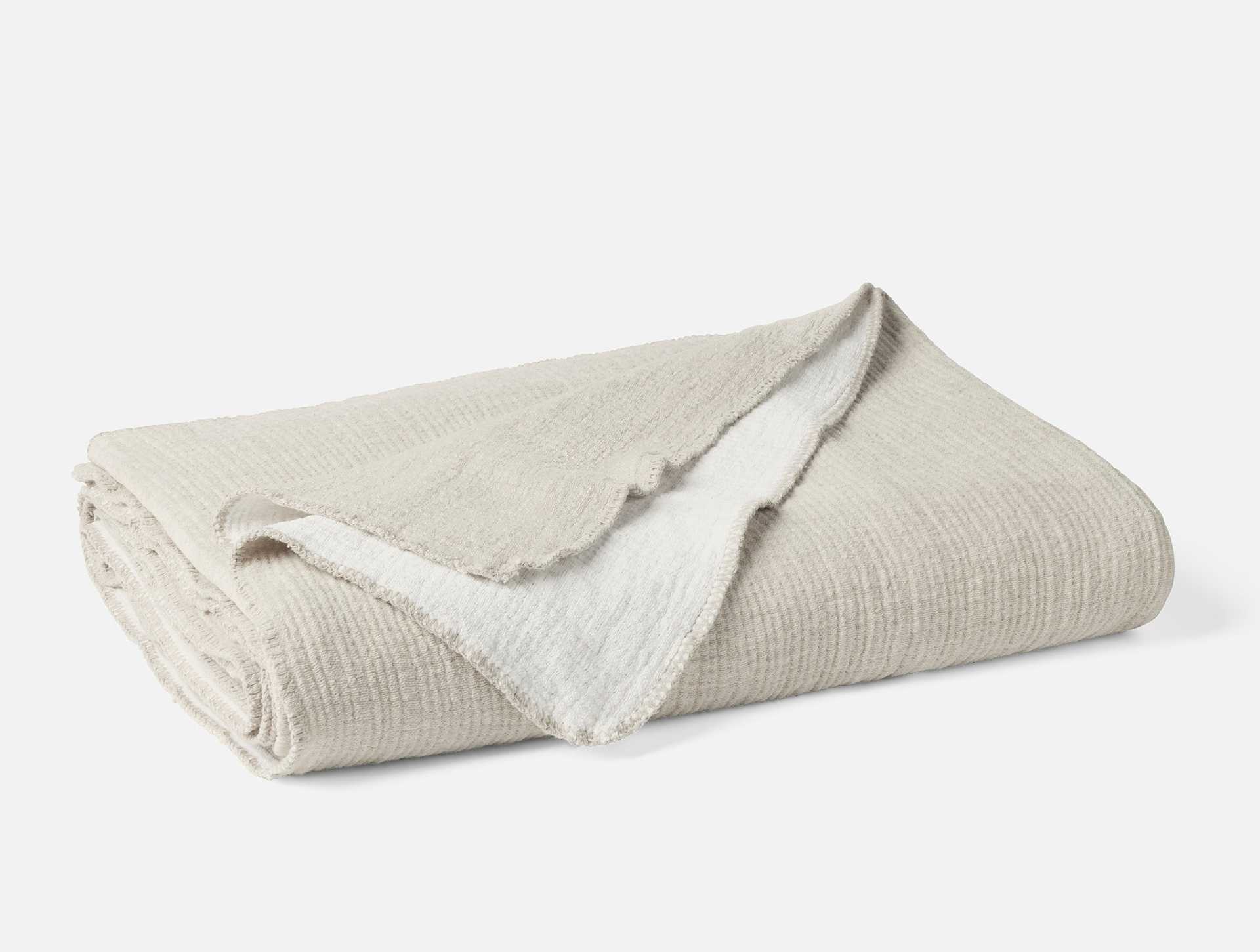
The Cozy Cotton Organic Blanket embodies the dual nature of comfort and care that underpins nomadic, textile-driven living. Made from 100% organic Turkish cotton, this washed blanket features a gently puckered texture and a color-matched blanket stitch around the edges. Its design emphasizes versatility: a light, breathable layer that complements year-round living spaces, from chilly early mornings on the sofa to cool nights in a travel-friendly hotel room.
Construction details reveal a thoughtful approach to durability and ease of care—machine washable cold, tumble dry low—ensuring a practical companion for busy households and nomadic lifestyles alike. The dual-layer color reversal offers styling flexibility, enabling readers to layer in ways that suit mood, season, or décor without sacrificing breathability or warmth.
- Material: 100% organic cotton
- Construction: Washed for a puckered texture; color-matched blanket stitch
- Care: Machine wash cold; tumble dry low
- Origin: Grown in Turkey; woven in Germany
Note: The blanket is part of a broader collection emphasizing sustainable sourcing and responsible production practices, aligned with the broader ethos of premium textiles that inform nomadcashmere.com's Direction A identity.
Putting it all together: care as a narrative of luxury, ethics, and longevity
Care routines for cashmere and other luxury fibers are not merely chores; they are rituals that honor the labor, time, and craftsmanship embedded in each thread. The discipline of washing, drying, and storing thoughtfully aligns with a broader lifestyle philosophy that values durability, sustainable sourcing, and quiet beauty. When you treat cashmere with the respect it deserves, you extend not only the life of a garment but the story behind its creation—the care of artisans, the ethics of sourcing, and the science of fiber performance.
As you plan future purchases and care routines, consider how the materials you select reflect your values. The Cozy Cotton Organic Blanket embodies a similar ethos of sustainability and utility. It serves as a tangible example of how high-quality fibers can perform across contexts—from home to travel—without sacrificing softness or warmth.
A practical takeaway: a quick care checklist
- Know your fiber: cashmere, cotton, alpaca, and wool each respond differently to water, heat, and agitation.
- Choose a mild detergent designed for delicate fabrics; avoid bleach and heavy solvents.
- Wash with cold water, gentle cycles, and place items in a mesh bag if machine washing is used for extra protection.
- Dry flat on a clean surface; avoid direct heat and sunlight to preserve color and structure.
- Store clean textiles in breathable containers and consider pest deterrents that are fiber-safe and chemical-free when possible.
- Respect care labels; when in doubt, test a small area or opt for professional care for delicate or oversized pieces.
Conclusion: care as craftsmanship
Cashmere care is a quiet discipline—an art of maintaining softness, warmth, and grace that endures across seasons and travels. It is a discipline that echoes the way we approach information: with patience, precision, and respect for provenance. By embracing careful washing, mindful drying, and thoughtful storage, readers can ensure that their luxury textiles remain a source of comfort and delight for years to come.
For readers who are assembling a thoughtful, long-lasting textile library, consider expanding beyond cashmere to related luxury fibers that share a devotion to sustainability and quality. The Cozy Cotton Organic Blanket, for example, demonstrates how sustainable fibers can deliver a versatile, breathable warmth that complements cashmere’s refined softness—an invitation to a holistic approach to premium textiles that informs NomadCashmere’s Direction A identity.
Further reading and resources
- Care guides from reputable textile houses and fiber labs that explain fiber science in accessible terms.
- Interviews with textile researchers and ethics experts discussing sourcing transparency and the social impacts of textile supply chains.
- Knitters’ patterns and beginner guides for care-friendly projects that emphasize durable construction and longevity.